A Permitting Process That Works for Us
The Current Landscape: Confusion Reigns
When projects are tied up in regulatory limbo, our members suffer. Local unions are forced to adjust plans for incoming apprentice classes which has a direct impact on our ability to gain or maintain UA market share. In some cases, last minute lawsuits from activist groups with no ties to the projects themselves can sidetrack the process for years at a time – putting our members out of work and preventing our local unions from realizing significant benefits for hard working members.
Our nation’s energy needs continue to increase with the rapid growth of AI, onshoring of industrial manufacturing facilities, and electrification of various sectors of our economy. These upgrades and expansions need to happen now, and we can’t continue to lose precious time with an outdated and out of touch permitting system.

Our Approach is Simple
We must streamline the federal permitting process to ensure consistent standards are applied across the country, cut down on unnecessary red tape causing delays, and enact these reforms via bipartisan legislation to ensure future administrations cannot unfairly pick and choose project approvals based on who contributed to their campaign rather than factual realities.
To be clear, permitting reform does not mean weakening standards. Instead, it means creating a level playing field that is fair to all parties. It means more investment in our shared infrastructure due to project certainty. It means starting work sooner on projects that meet the highest standards – or rejecting projects that do not.
Permitting reform leads to greater stability for our members and better outcomes for everyone involved.
Four Principles of Permitting Reform
1. NEPA Reform
The National Environmental Policy Act (NEPA) requires certain environmental reviews for any energy project before work is able to begin – but it is full of loopholes that our opponents exploit to tie up the review process. NEPA reform would narrow the scope of a “major federal action” and establish firm, actionable deadlines for federal agencies to complete the environmental review process. Clarity throughout the process, and certainty once a final decision is made, will cut down on unnecessary and frivolous delays.
2. Judicial Reform
Our opponents frequently use lawsuits to tie up projects in permitting limbo, often for years. The goal is not to win in court, but to tie up the process for so long and make the project so expensive that the owners abandon permitting efforts. The UA supports shortening the timeline for lawsuits from six years to 180 days – and limiting who can bring lawsuits to only those who have been involved in the permitting review process.
3. Clean Water Act Reform
Section 401 and Section 404 reforms to the Clean Water Act would clarify the scope of “navigable waters” and narrow the review process to strictly environmental concerns, preventing opponents from using political means to stop projects. The Promoting Efficient Review for Modern Infrastructure Today (PERMIT) Act, passed by the U.S. House in 2025, would provide these critical reforms.
4. Project Certainty Reform
Once a project has been approved and received its permits it should no longer be subject to suspension by any regulatory body or presidential administration. We cannot allow projects that have hard working construction professionals onsite preforming work to be subject to politically motivated suspensions or shutdowns.
Some Helpful Resources


Permitting
Essential Components of a Fair and Streamlined Permitting Process
Latest News

Army Corps Issues Permit for Straits Tunnel Project

Armstrong Builds Senate Momentum for Permitting Reform
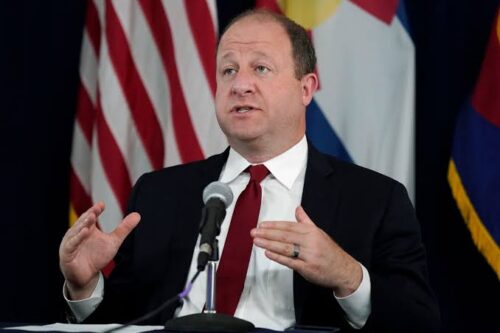
Governor Polis Takes Executive Action on Making Permitting Easier